Botox sits at an interesting crossroads in dermatology. It is both a household name and a nuanced medical tool. In the right hands, botox cosmetic treatment can soften expression lines, rebalance facial movement, and buy time against creases that would otherwise etch in deeper. In the wrong context, it can look heavy, feel unnatural, or mask problems that need a different approach. After years in practice, I have found the best outcomes come from a simple guiding principle: skin health first, aesthetic finesse second. When you anchor botox injections to that standard, you get durable, natural results that age well.
How botox works, beneath the buzz
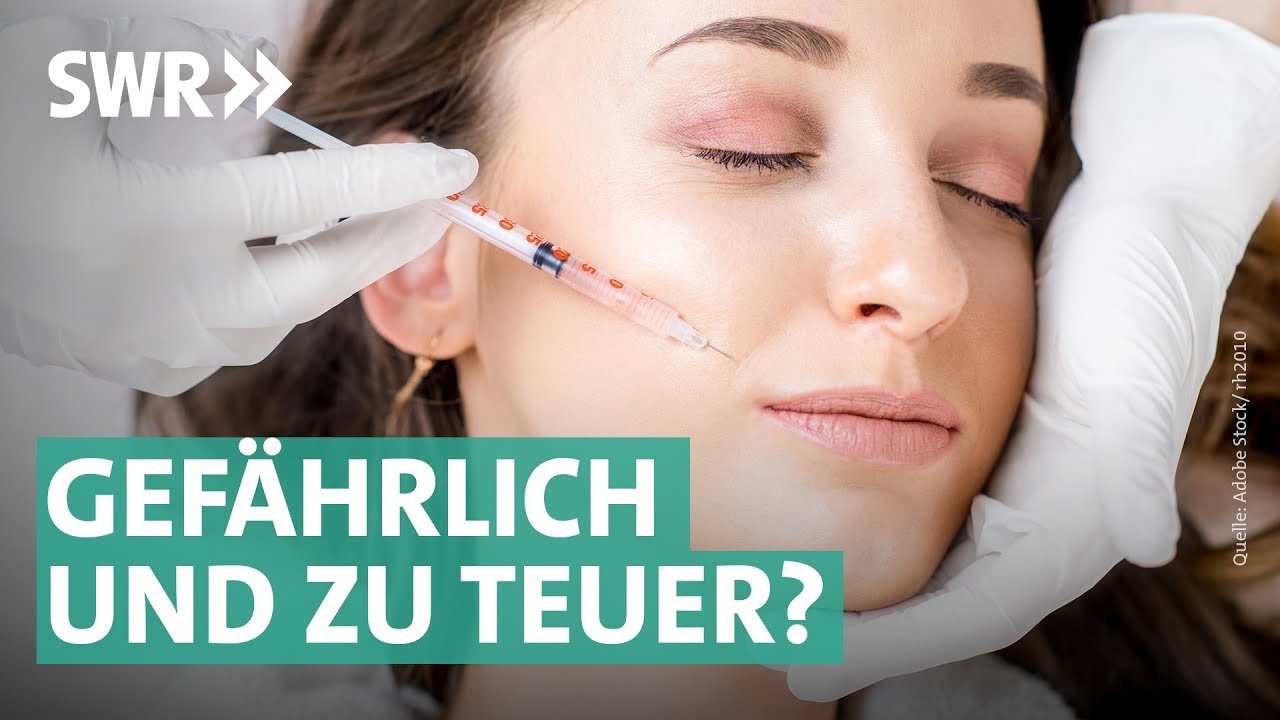
Botulinum toxin type A, the active ingredient in botox treatment, blocks acetylcholine release at the neuromuscular junction. In plain terms, it reduces the muscle’s ability to contract. Many wrinkles on the upper face are dynamic lines driven by expression. Think of the “11s” between the brows, the horizontal forehead lines, and crow’s feet around the eyes. By dialing down overactive muscles in these zones, botox wrinkle injections give the overlying skin a chance to rest. When the skin stops folding repeatedly, the crease becomes less visible, and in some cases, the line lifts almost entirely.
Pharmacologically, the effect starts to appear within 2 to 5 days, settles around 10 to 14 days, and wears off gradually over 3 to 4 months for most people. Some hold results for 5 to 6 months if their metabolism is slower or the dose is a touch higher, but banking on more than 4 months can lead to underwhelming intervals. The repeated cycle of relaxation is part of the therapy. With consistent botox maintenance treatment, certain expression patterns soften long term because the brain stops firing those movements as strongly. The habit breaks along with the line.
The “why” behind treatment selection
Patients usually seek botox for wrinkles that appear angry or tired when they feel fine. I hear variations of, “I look stressed even when I am not.” The cosmetic goal is simple: align how you look with how you feel. The clinical goal is not to freeze the face, but to quiet the loudest muscles and let skin quality and bone structure do more of the talking.
When deciding whether botox therapy suits a concern, I picture the wrinkle as a timeline. If the line is visible only with expression, you are in the dynamic phase, and botox for fine lines or early wrinkle treatment often works beautifully. If the line is etched at rest, you are dealing with a static crease. Botox for facial wrinkle care still helps by reducing ongoing folding, but it may need to be paired with skin resurfacing, collagen stimulation, or in some cases a touch of filler to lift the valley. Confusing these phases is a common reason patients feel disappointed after a first attempt elsewhere.
Where botox shines
Forehead and glabella: The classic zones. Botox for forehead lines reduces the horizontal creases created by frontalis, while botox for frown lines softens the “11s” formed by corrugator and procerus. Balance matters. Over-treating the forehead while ignoring the brow depressors can drop the brows, while treating only the glabella can leave the forehead to overcompensate.
Crow’s feet and under-eye crinkling: Lateral orbicularis oculi treatment can make the eyes look more open and rested. Most patients prefer a lighter hand here to preserve a natural smile. Done correctly, botox for crow’s feet helps without flattening your laugh.
Bunny lines and gummy smile: Small, precise doses along the nose address scrunch lines. Adjusting levator muscles can hide a gummy smile by a few millimeters, which can be transformative for a self-conscious patient.
Chin dimpling: Relaxing mentalis softens an orange-peel chin and prevents deepening of the mental crease. This is a subtle but satisfying change that pairs well with botox for smile lines in select cases, acknowledging that true nasolabial folds respond better to volume and skin support than to muscle relaxation.
Jawline and masseter contouring: Technically still botox facial injections, but in a functional-anatomic category of their own. In patients who clench or grind, masseter reduction can ease tension headaches and slim a square lower face. It requires a careful approach and realistic expectations, since it affects chewing force temporarily and reshapes the jaw over months, not days.
Neck bands and jawline definition: Platysmal band relaxation can clean up vertical cords and improve jawline transition in the right neck. This botox non surgical treatment is not a substitute for skin laxity solutions or fat reduction, but it adds refinement to a defined plan.
Migraine and hyperhidrosis: Although beyond the purely cosmetic scope, many patients discover botox therapy for wrinkles while seeking relief for chronic migraines or excessive sweating. In a dermatology clinic, hyperhidrosis treatment of underarms can be life-changing, with dryness lasting 6 to 9 months on average.
What natural looks like, from the injector’s side of the needle
Natural botox cosmetic injections are a combination of dose, dilution, depth, and distribution. The goal is to respect the way your face moves. For example, a musician who depends on eyebrow lift to track visual cues during performance may need forehead sparing. A teacher who projects warmth might accept a bit more crow’s feet motion to keep her smile expressive. A software engineer who spends long days staring at code may prioritize frown line relaxation that does not translate into a dropped brow during deep concentration. These individual choices shape the map of botox aesthetic injections.
I build treatment in layers. First, I calm the strongest lines conservatively. Two weeks later, we review. If needed, we add a small touch up treatment rather than overshooting at the first session. Patients who stick with this approach rarely complain of heaviness or flatness. They look like themselves on a good day, not like a different person.
Skin health sets the ceiling
Botox facial treatment can only do so much if the skin is dehydrated, inflamed, or sun damaged. These issues are not cosmetic fluff; they are the environment the toxin works in. I insist on a few skin-first fundamentals before and alongside botox skin rejuvenation.
- Daily SPF 30 or higher, ideally with zinc, and reapplication when outdoors. Pigment, broken collagen, and roughness from UV counteract the smoothing you want. Nightly retinoid or retinol if tolerated, introduced gently. This trains the skin to renew and pairs well with botox wrinkle smoothing. Balanced moisturization, especially around the eyes and forehead, to support the barrier as lines soften. Dehydrated skin collapses into folds more readily. Nutritional sanity: sufficient protein, omega-3s, and limited alcohol. Puffy, inflamed skin limits the crispness of results. Timely treatment of acne or dermatitis before a botox procedure. Inflamed lesions near injection points increase risk and distract from outcomes.
These five steps bridge the gap between botox face therapy and truly younger looking skin. Patients who commit to them need less toxin over time and enjoy better texture even when the botox wears off.
Dosing realities, numbers that matter
Typical starting doses vary with age, muscle strength, and gender. There is no single correct number, but patterns appear across thousands of faces. For a first session, glabellar complex often sits around 12 to 20 units, forehead 6 to 12 units, and crow’s feet 8 to 16 units per side using standard on-label product. Stronger male foreheads and corrugators may climb higher; petite foreheads can look heavy if you cross 10 units without compensating in the brow depressors. Masseter contouring starts near 20 to 30 units per side and scales up based on thickness and clenching severity.
Those are starting points, not promises. I would rather under-dose someone new and assess at day 14 than hand them a result that feels alien. The botox cosmetic procedure benefits from patience and iteration.
Safety, side effects, and the value of restraint
In trained hands, botox non surgical wrinkle treatment is considered very safe. The most common side effects are minor: pinpoint bruising, transient headache, or a small raised spot that settles within an hour. The problems that worry patients most, like brow or eyelid droop, often result from two issues: dose high relative to anatomy, or migration from technique or post-care. Both can be minimized by experience and thoughtful aftercare.
There is also a phenomenon of diminishing effect after years of frequent high dosing, possibly related to antibodies. It is rare. I have only seen it in heavy users treated at short intervals. Respecting 12-week spacing and avoiding unnecessary top-ups helps. When patients arrive with a history of rapid wear-off, I reassess their zones and overall health. Sometimes they need improved skin care and balanced dosing, not more units.
The appointment, from consult to follow-up
First visits run on conversation and mapping. I watch how you talk, smile, frown, and lift your brows. I mark where the skin folds and where it holds. For some, the dominant feature is a high, arched frontalis that overpowers the glabella. For others, the brow depressors win, pulling the brows in and down. These patterns guide injection points and adjust the plan for botox for expression lines.
After cleansing and optional numbing, injections are quick. Most patients describe them as tiny pinches. Ice helps with comfort and bruising risk. You can return to normal life immediately, with a few guardrails for 4 to 6 hours: stay upright, avoid intense exercise, no facial massage or tight hats, and skip saunas that day. I schedule a check at two weeks. That visit is where excellent care separates itself. A two-minute refinement can elevate a good result to a great one.
Who is a good candidate, and who should wait
Ideal candidates for botox facial anti aging treatment are healthy, with realistic goals, and show dynamic lines they want softened. They see the value of gradual, tailored adjustments over big swings. They also accept that the face changes with age, and what works at 30 is not always right at 50.
There are reasons to delay or avoid botox dermatology treatment. Active skin infection at the injection site is an obvious pause. Pregnancy and breastfeeding are standard contraindications due to limited safety data. Certain neurologic conditions or medications that interfere with neuromuscular function require specialized evaluation. For patients with heavy upper eyelid skin or low-set brows, aggressive forehead treatment can worsen hooding. In those cases, I pivot toward skin tightening, brow lift options, or conservative dosing with strategic support below the brow.
Pricing, packages, and how to think about value
Clinics price botox cosmetic care by unit or by area. Per-unit pricing gives you transparency and control, especially useful for smaller touch ups. Area pricing can make sense for straightforward zones like the glabella if the practice has a consistent dosing philosophy. Be cautious with “flat fee unlimited” deals, which incentivize over-treatment. The most cost-effective plan is one that uses the fewest units to achieve a result you like, paired with skin care that supports the investment. Patients who keep their skin healthy, space appointments at 3 to 4 months, and resist impulsive top-ups tend to spend less over the long run.
My take on preventative and early treatment
The debate over botox preventive treatment usually reduces to two positions. One side says start early and you will never form lines. The other says wait until you need it. Experience splits the difference. If a patient in their mid to late 20s has strong frown lines that appear with even mild expression, a tiny dose can prevent deep etching. If the lines are invisible at rest and appear only with intentional grimacing, they can likely wait. Skin type matters too. Fair, thin skin dents more easily and shows lines sooner, while thicker, oily skin can resist longer but may form deeper creases once they arrive. Preventative does not mean frequent. Twice a year light dosing can be enough to guide the muscles rather than dominate them.
Setting expectations for first-timers
The most common surprise for new patients is the day 2 to 3 window, when a hint of heaviness can appear as the toxin first engages. By day 7 to 10, the result smooths out. If you rely on dramatic brow lift for expression, you may feel a shift in how you project emotion. This is why communication at consult is crucial. If your profession or personality leans on lively brows, I taper the forehead and distribute dose lower to keep a bright look. Most patients adapt within a week and appreciate the quiet in the muscles they used to overwork.
When botox is not the answer, and what to choose instead
Not all wrinkles are muscle problems. Etched-in sleep lines on the side of the face, sun-induced crinkling under the eyes, or accordion lines near the mouth often need improved skin thickness and elasticity. Here, pairing botox skin rejuvenation therapy with resurfacing or collagen stimulation works better. Modalities like fractional lasers, radiofrequency microneedling, or a series of chemical peels can rebuild the dermal scaffold. For hollowing or volume loss, hyaluronic acid fillers, biostimulators, or even fat grafting address the underlying deficit botox cannot touch. A seasoned injector weaves these options together rather than leaning only on one tool.
What a “light touch” looks like over years
Consider a patient who started with subtle glabellar lines at 32, strong crow’s feet at 35, and forehead lines by 38. Instead of jumping to high doses across the face, we began with small glabellar corrections twice a year. At 35, we added light crow’s feet dosing before photographs for a major work event, then maintained every 4 months for two cycles before pausing to evaluate. At 38, we introduced minimal forehead units strategically, focusing more on skin barrier repair and retinoids. At 42, her lines at rest remained minimal. Total toxin use over a decade stayed moderate. The face remained expressive because no single year demanded a heavy correction. That is what botox for younger looking skin means in practice: not perfection, but slow, intelligent guidance of how the face moves and ages.
Technical pearls that protect results
Depth and angle matter. Injecting too superficially in the forehead risks uneven effect or visible bumps that last longer than a minute or two. Going too deep at the brow can catch the wrong fibers and cause a drop. Understanding the lateral corrugator tail protects the inner brow from unwanted lifting or arch peaking. Respecting the temporal fusion line keeps the crow’s feet smooth without flattening cheek smile. These are quiet details your clinician handles so you do not have to think about them, but they explain why botox professional injections vary so much between clinics.
Dilution is not a shortcut to cheap care. Different practices use slightly different dilutions for control and spread, but the total delivered units should be clear and consistent. If your results felt weaker than expected from a reputable clinic, it is more likely the plan or dose than a dilution trick.
Timelines and maintenance
A common schedule looks like this: treatment at month 0, check at day 14 for refinements, reassess at month 3 to 4 when movement returns. Patients who prefer near-constant smoothness return a bit earlier. Those who like a more dynamic look let more movement come back and schedule at 4 to 5 months. Seasons and life events influence cadence. Some skip summer appointments to enjoy an expressive face on vacation, then resume in autumn alongside resurfacing. Weddings, reunions, and photography-heavy events do best with a 4 to 6 week lead time for botox cosmetic rejuvenation so the result is settled and touch ups are complete.
What to ask during a consult
- How will you balance my forehead and brow to avoid heaviness or a startled look? In my case, are my lines primarily dynamic or static, and what does that mean for results? If I want a natural smile, how do you approach crow’s feet dosing? How do you plan touch ups, and what interval do you recommend for maintenance? What skin health steps do you want me to follow alongside botox skin care injections?
Strong answers reveal method, not just marketing. You want a clinician who can translate your goals into anatomy and dose, and who cares as much about your skin quality as your muscle movement.
Pitfalls to avoid
Chasing symmetry to the last millimeter can lead to overtreatment. Faces are asymmetrical by design. Trying to equalize every eyebrow hair or smile crease is a recipe for looking odd in motion. Another pitfall is “zone shopping,” where patients collect treatments from multiple locations on short notice. Toxin does not negotiate well with randomness. One plan, one injector, steady intervals, and measured adjustments build better outcomes.
The third pitfall is treating stress with needles. If the urge to book botox every time life heats up feels familiar, pause. Toxin can quiet the appearance of tension, but it cannot resolve the root. Sleep, movement, water, and boundaries do more for your face than an extra 4 units ever will.
Special cases and edge considerations
Athletes and high-metabolism patients sometimes report shorter duration. They can still achieve excellent outcomes, but may need slightly higher dosing or more frequent sessions. Vegetarians or patients on very low protein diets sometimes heal bruises slower; a simple boost in dietary protein around treatment can help.
For darker skin tones prone to post-inflammatory hyperpigmentation, injection technique and aftercare that minimize bruising are especially valuable. Arnica and bromelain have mixed evidence but are low risk. Most important is avoiding aspirin and non-essential supplements that best botox clinics in FL thin blood for a few days pre-procedure, if your doctor agrees it is safe to pause them.
Patients with rosacea benefit from caution around triggers. Heat and strenuous exercise right after botox can flare redness. Plan morning appointments and a calm schedule on treatment days. Pairing botox facial smoothing with vascular laser or topical azelaic acid can yield smoother, less reactive skin over time.
Why med-spa versus dermatology clinic matters less than the clinician
The title on the door matters far less than the hands and eyes performing the work. Excellent botox clinic services exist in both medical spas and dermatology offices. What you want is a practitioner who understands anatomy, pattern recognition, and the arc of aging. They document your doses and points, track your preferences, and evolve the plan as your face changes. If you move cities, ask for a treatment record. A new injector who can see how you responded to botox cosmetic enhancement before will spare you trial and error.
Final thoughts that guide my practice
Botox is a tool for expression management and wrinkle prevention, not a magic eraser. When anchored to skin health and careful mapping, botox facial therapy delivers a rested, confident look that holds up in bright light and candid photos. The best compliments you will receive are quiet ones: “You look well rested,” or “Did you change your hair?” That subtlety takes judgment, and judgment comes from experience, dialogue, and restraint.
If you are considering botox skin treatment for the first time, bring your curiosity and a few photos where you love how you look. If you are returning after a gap, bring patience and a willingness to recalibrate. Faces change, goals evolve, and good care meets you where you are. Putting skin health first does not compete with aesthetics. It powers them. With that foundation, botox skin smoothing injections, botox wrinkle prevention, and botox rejuvenation injections do what they do best: help your face tell the right story, on your terms.